📋 In This Article
What Coziness Actually Means
The word "cozy" is used so frequently in interior design contexts that it risks losing its meaning entirely — becoming little more than a vague aspiration attached to candle-filled photographs and blanket-draped sofas. But genuine coziness, the kind that makes you exhale the moment you enter a room, is a specific, achievable quality with identifiable characteristics and a replicable process.
True coziness is a multi-sensory experience. It registers visually through warm colour tones, soft lighting, and layered textures. It registers physically through comfortable seating, the weight of a throw blanket, the warmth of a rug underfoot. It registers psychologically through a sense of enclosure, scale that feels human and intimate, and the presence of objects that hold personal meaning. And increasingly, researchers in environmental psychology confirm that these sensory triggers have measurable physiological effects — lowering cortisol levels, reducing heart rate, and producing a state of calm alertness that is fundamentally different from the stimulated, high-alert state that contemporary life too often demands.
The Scandinavian concept of hygge — roughly translatable as the art of comfortable conviviality — captures this quality most precisely. Hygge is not an aesthetic trend; it is a philosophy of intentional comfort, the deliberate cultivation of warmth and ease in everyday environments. And the living room, centred on the sofa, is its natural home.
"Coziness is not achieved by adding more — it's achieved by choosing more carefully. The most cozy spaces contain only what genuinely belongs there."
The Sofa as Your Comfort Foundation
In any living room, the journey toward genuine coziness begins and ends with the sofa. It is the largest surface in the room, the place where most comfort-seeking behaviour happens, and the piece that sets the entire room's emotional register. A sofa that is genuinely comfortable — physically supportive, tactilely inviting, visually warm — creates the foundation for everything else to build upon. A sofa that isn't comfortable undermines even the most carefully assembled surrounding elements.
For a cozy living space, sofa selection should prioritise physical generosity. Deep seat cushions (24 inches or more) that allow for full-leg extension, high-loft back cushions that support the upper back and provide a natural head rest when leaning, and wide padded arms that function as impromptu pillows during long lounging sessions — these are the physical characteristics that make a sofa feel genuinely embracing rather than merely functional.
The upholstery fabric is equally critical to the cozy equation. Fabrics with tactile warmth — bouclé, chenille, velvet, teddy, and quality knit textiles — communicate comfort through touch before you've even sat down. The act of running your hand across a soft, textured sofa surface is itself a comfort-inducing experience, signalling to the brain that this is a place of warmth and ease. Smooth, cool fabrics — however beautiful — don't provide this initial tactile invitation and tend to feel less immediately welcoming in a cozy design context.
Layering Warmth: Textiles and Textures
After the sofa itself, the textile layer is the most powerful tool in the cozy living room toolkit. Textiles — cushions, throws, rugs, curtains, and upholstered furniture — collectively determine whether a room feels warm and lived-in or spare and impersonal. The goal is to build up multiple textile layers, each adding a different textural dimension, until the room feels richly composed and genuinely inviting.
Cushion Composition Strategy
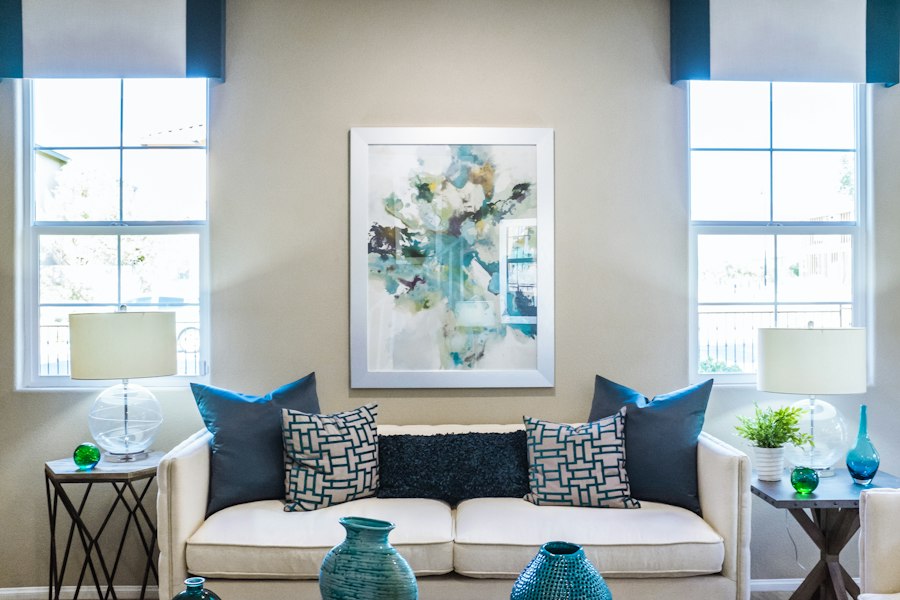
Cushions are the most immediately adjustable element of a sofa's cozy character, and their composition requires thought to avoid the flat, overly coordinated look that many rooms fall into. The key principle is textural and tonal variation within a unified palette. Choose cushions in at least three different fabric types — perhaps a smooth cotton velvet, a chunky linen weave, and a knitted or embroidered piece — in tones that share the same warmth but vary in depth from light to dark. Sizes should vary too: back cushions at 22 inches, mid-layer at 20 inches, and a lumbar or accent cushion at the front.
The Throw Blanket as Essential Element
A generous throw blanket — large enough to actually wrap around yourself when seated — is one of the single most effective cozy additions you can make to a living room sofa. It serves simultaneously as a functional comfort item, a textural accent, and a visual signal of relaxed, welcoming warmth. The throw should be both beautiful and genuinely usable: an exquisite throw that's too delicate to actually reach for defeats its own purpose.
Draping naturally rather than folding precisely is the key to a throw that looks lived-in rather than staged. Pull it loosely over one sofa arm, allowing it to pool slightly on the seat or floor. The slight dishevelment signals that this is a space where comfort is actively chosen, not merely displayed.
The Area Rug as Warmth Foundation
Bare floors — however beautiful — actively undermine coziness by introducing visual coldness and the physical sensation of cold surfaces underfoot. An area rug serves as the warmth foundation of the entire seating arrangement, physically connecting the furniture grouping and adding a crucial layer of tactile and visual warmth to the room's lower plane.
For maximum coziness, choose rugs in warm tones (cream, camel, terracotta, warm rust) with a tactile, natural texture — wool, cotton, or a quality pile that feels genuinely good underfoot. Size generously: the rug should extend under at least the front legs of all seating pieces, grounding the grouping and making the room's cozy zone feel expansive rather than pinched.
Layer Count Rule
Aim for a minimum of five distinct textile layers in a cozy living room: sofa upholstery, cushion mix, throw blanket, area rug, and curtains or drapes. Each layer adds warmth and depth; fewer than five tends to feel sparse regardless of individual quality.
Texture Before Pattern
In cozy interiors, texture does more work than pattern. A room filled with tactile surfaces — rough weaves, soft pile, smooth leather, natural jute — feels richer and warmer than the same room with pattern substituted for texture. Prioritise texture in your textile choices, and use pattern sparingly as a single accent layer.
Warm Tones Over Cool
In the textile layer specifically, warm tones — cream, amber, rust, warm grey, dusty rose, sage — consistently feel more inviting than their cool equivalents. Even a small shift toward warmer tones in cushion and rug choices can measurably increase a room's cozy character.
Lighting for Mood and Atmosphere
Lighting transforms a furnished room into an atmospheric space. In cozy design, the goal is to move away from bright, even overhead illumination toward pools of warm, lower-level light that create visual depth, shadow, and the amber glow that human brains associate instinctively with evening, safety, and rest.
The single most impactful lighting change you can make in any living room is to install dimmer switches on overhead lights and commit to turning them down significantly during evening hours. This simple change — often achievable in minutes — immediately shifts the room from functional daytime workspace to cozy evening retreat. The overhead light remains available for practical tasks but is no longer the room's primary mood-setter.
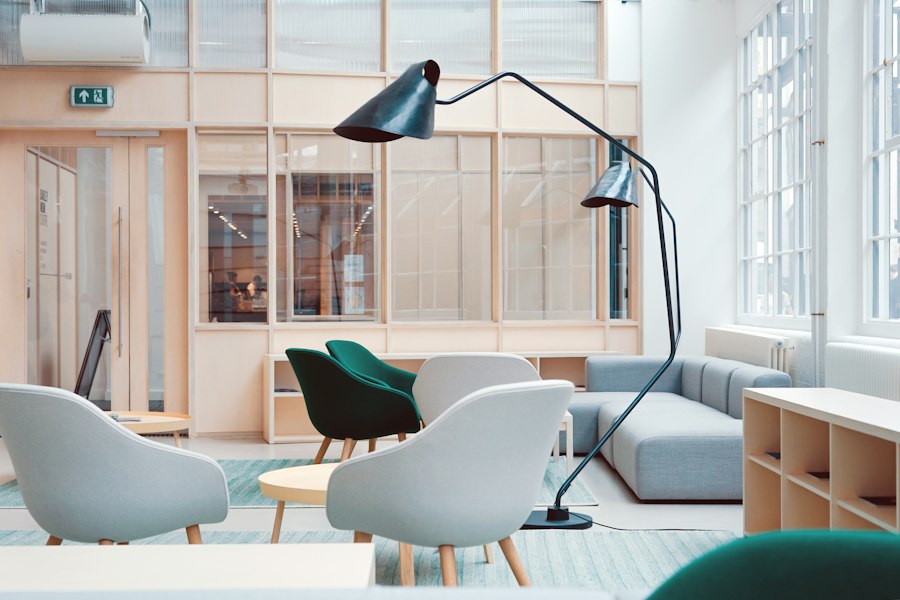
Floor lamps positioned beside or slightly behind the sofa provide the most natural and comfortable reading and atmosphere light for a seating area. Their vertical form adds visual height, their warm glow pools around the seating zone, and their positioning at human scale creates an intimate pocket of light that overhead fixtures simply cannot replicate. Table lamps on side tables add secondary pools of warmth, and candles — real or flameless LED — introduce the dynamic, flickering quality of light that is profoundly effective at communicating coziness.
Colour Choices That Feel Warm
Colour psychology in interior spaces is well-documented: warm tones (reds, oranges, yellows, and their desaturated, muted variants) raise the perceived temperature of a space, create feelings of enclosure and intimacy, and stimulate the visual cortex in ways associated with warmth and safety. Cooler tones (blues, greens, cool greys) do the opposite, creating openness and visual calm but also perceptual coolness.
For cozy living rooms, the most effective colour strategies use warm neutrals as the dominant palette — creamy whites, warm beiges, dusty taupes, and soft terracottas — with deeper warm tones introduced as accent colours through cushions, throws, and accessories. This approach creates rooms that feel warm without being visually aggressive, sophisticated without being cold.
Warm whites are particularly powerful in cozy design. Unlike bright, blue-toned whites that can feel clinical, warm whites — those with a slight cream or yellow undertone — create an enveloping quality that reads as genuinely welcoming. Used on walls, they amplify the warmth of any upholstery tone without competing with it, creating a unified, harmonious backdrop that makes every element in the room look its best.
The Sensory Layer: Scent, Sound, and Touch
Coziness is not purely visual. The most effectively cozy spaces engage multiple senses simultaneously — creating an immersive experience of warmth and comfort that registers in the body and nervous system as much as in the eyes. The sensory layer — scent, sound, and tactile experience beyond the seating itself — completes the cozy atmosphere that visual design begins.
Scent is the most underused tool in home comfort design, yet it is perhaps the most powerfully evocative sense we possess. The right scent can signal safety, warmth, and familiarity at a subconscious level within seconds of entering a room. For cozy living spaces, warm, slightly sweet, or earthy scents — sandalwood, amber, cedar, vanilla, and warm spice blends — consistently outperform floral or fresh scents in creating that enveloping warmth we associate with the most welcoming interiors. Candles, reed diffusers, and quality room sprays all deliver effectively; the key is subtlety — scent should be noticed as a pleasant quality of the space, not identified as its dominant feature.
Sound, too, shapes the cozy experience profoundly. The crackle of a real or simulated fireplace, soft background music at conversational-level volume, the muffling quality of heavy rugs and textiles that absorb echo and reduce harsh acoustic reflections — all contribute to the overall sense of warmth and enclosure. Hard, echo-prone rooms feel cold regardless of their visual warmth; rooms softened acoustically by textiles and soft furnishings feel inherently more intimate and welcoming.
Bringing Nature Indoors
Living plants are one of the most powerful tools available for making a living room feel genuinely cozy and alive. The presence of growing things — the subtle movement of leaves, the variety of organic forms, the green vitality against warm interior tones — introduces a quality of natural life that no manufactured element can replicate. Research in environmental psychology consistently shows that even modest amounts of indoor greenery reduce stress, improve mood, and increase the perceived comfort of interior spaces.
For the sofa area specifically, a floor-standing plant beside one end of the sofa (a fiddle leaf fig, monstera, or large snake plant) frames the seating area beautifully and adds vertical presence without consuming horizontal floor space. Trailing plants on shelves above the sofa, or a cluster of smaller plants on a side table, add further layers of natural interest at different heights. The goal is not a maximalist botanical display but a considered presence of living material that makes the space feel naturally inhabited and organically warm.
Natural materials beyond plants — wood, stone, clay, woven fibres, dried grasses — contribute the same organic warmth in their own way. A wooden coffee table, a ceramic lamp base, a woven basket, or a stone coaster set all introduce the tactile and visual warmth of natural material that synthetic equivalents rarely achieve. In a cozy living room, the closer the material palette stays to the natural world, the more inherently warm and welcoming the space tends to feel.
The Cozy Paradox: Comfort Through Editing
There is a common misconception that coziness requires abundance — more cushions, more objects, more visual richness stacked upon richness. While layering is certainly a technique in cozy design, the most genuinely cozy spaces are also the most carefully edited. The distinction is between purposeful layering — building up warmth and texture intentionally — and visual clutter, which has the opposite effect.
Clutter, however cozy its individual elements might be, ultimately creates visual noise that is cognitively taxing rather than restful. The brain processes every object in a visual field; a space crowded with objects requires sustained low-level processing that prevents the genuine relaxation that true coziness is meant to deliver. The most restorative, deeply comfortable spaces contain a selective abundance — enough richness and warmth to feel generous, but nothing that doesn't genuinely belong.
The practical application of this principle is regular editing: periodically assessing every element in the living room and removing anything that doesn't actively contribute to either function or warmth. A throw that's never used, cushions that are uncomfortable to sit against, decorative objects that hold no personal meaning — these elements subtract from coziness even while appearing to add to it. What remains after editing should feel curated and intentional, each element earning its place through genuine comfort value or meaningful personal connection.
Seasonal Coziness Updates
One of the most elegant aspects of building a cozy living room around a quality sofa is the ease with which the space can be updated seasonally. While the sofa and major furniture pieces remain constant, the textile and accessory layer — cushions, throws, rugs, and decorative objects — can be refreshed relatively simply to maintain a sense of seasonal appropriateness and keep the space feeling considered and alive throughout the year.
🍂 Autumn / Winter
Introduce deeper, richer tones — amber, rust, deep sage, burgundy. Add a heavier throw in wool or chunky knit. Swap lightweight cushions for velvet or chenille. Add more candles and warm-toned lighting. Bring in warm, earthy scents.
🌸 Spring / Summer
Lighten the palette with cream, soft sage, and pale blush. Switch to lighter linen or cotton throws. Introduce fresh flowers and lighter botanical elements. Maximise natural light. Use fresher, lighter scents like citrus or light florals.
The investment in seasonal updating is modest — often no more than swapping out cushion covers and adding a different throw — but the effect is significant. A room that feels seasonally appropriate communicates care and attention, and this quality of deliberate comfort-creation is at the heart of what coziness truly means: a space that someone has thought carefully about, adjusted lovingly, and optimised intentionally for the comfort and pleasure of the people who inhabit it.
Written by the Sofa Comfort & Living Guide editorial team. This article is for informational purposes only.